Emergency Plumbing Help for Kansas City Homeowners
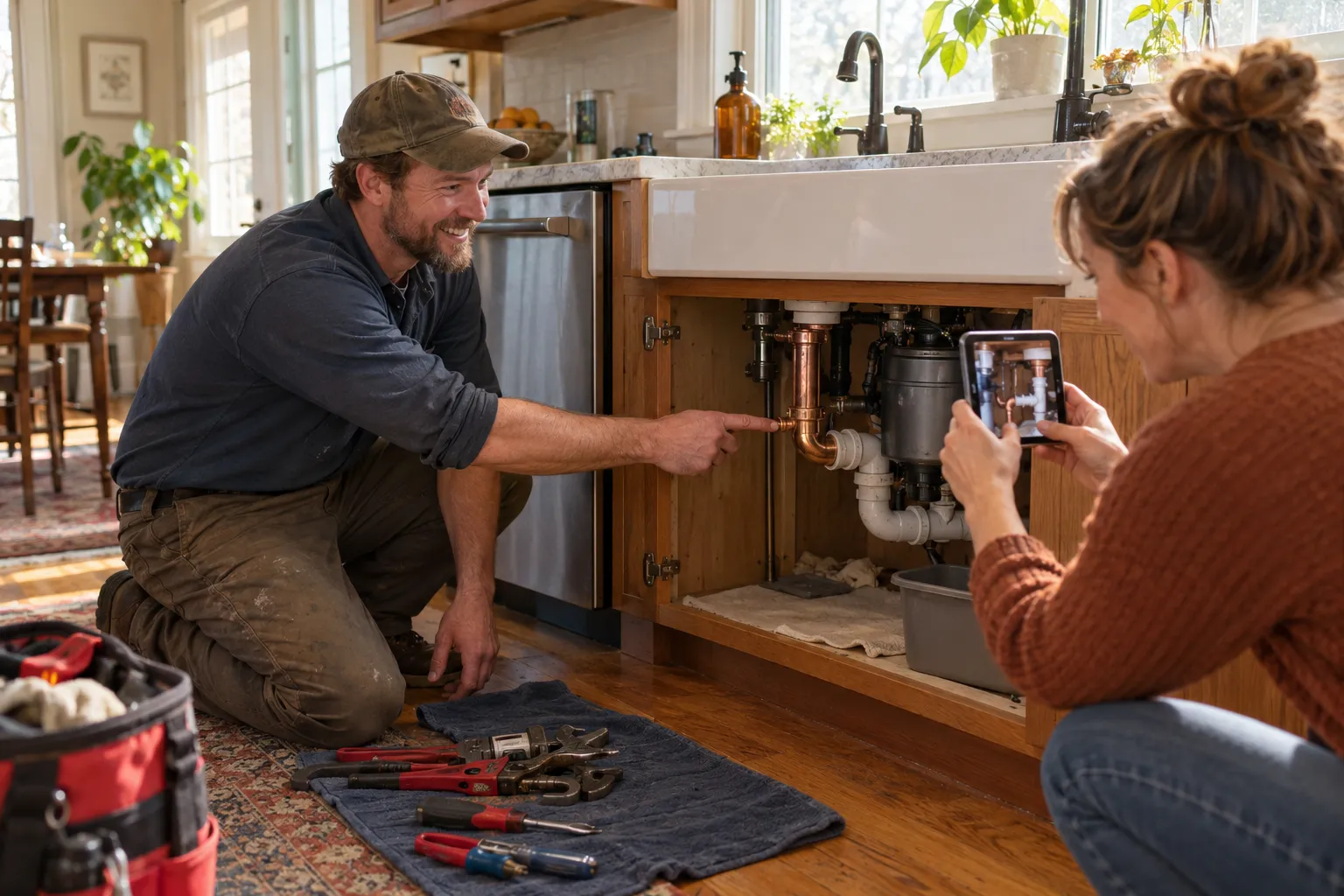
Many first-time homeowners believe a plumbing emergency has to be a flood. In practice, a steady leak, a backed-up toilet or a pipe that stopped working in a cold snap can all be urgent. The goal is to limit the damage and get a qualified person on the way. It also helps to know where your main shut-off valve is before trouble starts.
Occasionsdoctor Plumbing is a referral service. We do not do the plumbing. We help you get organized with photos, notes and a few key details, then connect you with independent providers in our network near Kansas City. Many providers can respond quickly, though availability varies, so Request a callback to check what is open today.
Plumbing Emergency? Start Here
A lot of people think a plumbing emergency has to look dramatic, like a geyser in the kitchen. In practice, many start quietly. A damp ceiling. A gurgle in the pipes. A smell you cannot place. If water is somewhere it should not be and you cannot stop it, treat it as urgent.
Here is the short version for a first-timer. Stop the water, stay safe, take pictures, then phone. Photos first, then phone.
What Counts as a Plumbing Emergency?
Not every drip needs a rush visit. Some problems do. Here is a quick way to sort them.
- Water spraying or pouring from a pipe, fixture or ceiling
- A pipe that split or cracked during a deep cold spell
- A water heater that is leaking heavily or making loud popping sounds
- Sewage coming up through floor drains or tubs
- No water at all, with signs of a break
- A smell of gas, which means leave the house and contact your gas utility first
A slow drip under a sink can usually wait for a scheduled visit. Shut off that one valve and keep a bowl under it.
Myth Versus Reality: "It Will Dry Out on Its Own"
It is easy to think a wet spot will fade if you ignore it. Reality is different. Water keeps moving through drywall, insulation and wood. It can leave stains, soft spots and musty odors long after the surface looks fine.
Acting early usually means a smaller repair and fewer things to replace. That is also easier to explain to anyone reviewing a claim later.
Shut Off the Water First
Most homes have a main shut-off valve. In older frame houses and bungalows, it is often in the basement near where the pipe enters the wall. In newer ranch homes, check a utility closet or the garage.
Turn it clockwise until it stops. Then open a faucet on the bottom floor to let the pipes drain. If you cannot find the valve, do not hunt for long. Get the people nearby out of the wet area and phone for help.
If water is near outlets or a panel, stay away. Water and electricity do not mix.
Photos First, Then Phone
This is the part nobody tells first-timers. A few minutes of record keeping can save you a lot of back-and-forth later. Notes make estimates easier, too.
- Take wide photos of each wet room, then close-ups of the source
- Photograph damaged items before you move them
- Write down when you first noticed the problem
- Note what you did, such as which valve you closed and when
- Keep any damaged parts if it is safe to do so
Then contact your provider and read your notes aloud. They will usually ask where the water is, whether you shut it off, and what kind of pipe you have.
What an Emergency Plumber Actually Does
People often picture a provider showing up and fixing everything in ten minutes. The first visit is usually about control. A provider finds the source, stops the leak, and checks what else was affected.
Then they explain options. A quick patch might hold for now. A full pipe replacement might be better. Ask for the choices in plain words and ask for the plan in writing. A good provider is happy to explain.
Burst and Frozen Pipes
A common belief is that a frozen pipe is fine until it bursts. Actually, damage can start while the pipe is still frozen. Ice builds pressure, and the split may only show once things thaw.
In regions with cold winters and deep frost, pipes along outside walls, crawl spaces and unheated garages are the usual trouble spots. If you find a frozen pipe, shut off the main valve and open the nearby faucet. Do not use an open flame. Take photos of the frost, the pipe and any wet areas, and let a provider handle the thaw and repair.
Water Heater Emergencies
A water heater is a tank under pressure, so treat leaks seriously. Pooling water, rust-colored drips or banging noises are all signs to act.
Turn off the power or gas supply to the unit if it is safe to reach. Close the cold water valve on top. Snap a photo of the label with the model and age, since providers and claim reviewers often ask for it.
Basements, Sump Pumps and Storm Season
Homes with full basements face their own version of this problem. A thunderstorm can knock out power, which stops a sump pump right when you need it. Spring flooding can also push water in through floors and walls.
If the pump has stopped or water is rising, keep clear of electrical items. Photograph the water level with something for scale, like a ruler or a shoe. Write down the time, because a simple timeline helps later.
Choosing an Emergency Plumber
There is a myth that you must accept whoever answers first. You can still ask a few quick questions, even when you are stressed.
- Is the provider licensed and insured in your state?
- Will they give a written quote before starting?
- What is the call-out fee, and is it part of the repair price?
- Do they explain the problem and your options clearly?
Occasionsdoctor Plumbing does not do the work and does not set prices. We connect you with independent providers, and each one sets its own terms. Availability and hours vary by provider.
Insurance and Your Paper Trail
Many people assume the damage is either fully covered or not covered at all. The truth sits in between. Some policies may cover sudden damage, while slow leaks and wear often are not. Check your policy and talk to your insurer.
Providers can often help document damage for a claim. Ask for an invoice that lists the cause, the work done and the date. Keep it with your photos.
After the Repair: Keep Your Records
Once the water is off and the repair is done, make a folder. Paper or digital works fine. Include:
- Your photos and notes from the first hour
- The written quote and final invoice
- Photos of the finished repair
- Names of any parts or fixtures that were replaced
Watch the area for a few days. Look for new stains, odors or a rise in your water bill. If something changes, add a note and reach out to the provider.
What's Included
Leak Control
Providers in our network can find the source, stop the water, and check nearby walls, floors and fixtures for hidden damage.
Burst Pipe Repair
A local provider can patch or replace split pipes and explain which option suits your home.
Water Heater Help
Leaking or noisy tanks can be inspected, repaired or replaced by a provider.
Written Estimates and Records
Ask for clear quotes and invoices that support your insurance conversation if you file a claim.
Typical Emergency Plumbing Costs
Prices vary a lot by home, pipe type, access and time of day. These are typical U.S. ranges only, not quotes. Always ask a provider for a written estimate before work begins.
| Item | Typical range | Notes |
|---|---|---|
| Emergency call-out fee | $100 – $400 | Sometimes credited toward the repair |
| Minor leak repair | $150 – $600 | Depends on access and pipe type |
| Burst pipe repair | $300 – $1,500 | More if walls need opening |
| Frozen pipe thaw and repair | $200 – $1,200 | Varies with damage found |
| Water heater repair | $150 – $800 | Parts and tank age matter |
| Water heater replacement | $1,000 – $3,500 | Size and fuel type change the price |
How It Works
Stop the Water
Close the main shut-off valve and stay clear of any wet electrical items.
Photos and Notes
Capture the damage and write down times, valves closed and anything you noticed.
Reach Out
Request a callback or request an estimate to be matched with a local provider.
Get It in Writing
Ask for a written quote and a final invoice, then store them with your photos.
Why Call Occasionsdoctor Plumbing
Plain Guidance
We explain what is urgent and what can wait, in simple words anyone can follow.
Organized Records
Clear photos and notes help providers quote accurately and support any claim conversation.
Local Providers
You are matched with independent plumbing providers who serve homes near Kansas City.
No Obligation
Request an estimate and compare. You decide whether to hire.
Other Services
Need emergency plumbing in Kansas City?
Tell us what is happening, add a few photos if you can, and we will point you toward a local provider in our network.
Emergency Plumbing FAQ
What counts as a plumbing emergency?
Water you cannot stop, a split or burst pipe, sewage backing up, a heavily leaking water heater, or no water with signs of a break. A slow drip under a sink can usually wait for a scheduled visit.
What should I do first when a pipe bursts?
Shut off the main water valve, turn off power if water is near electrical items, and take photos. Then Request a callback to check provider availability.
Will my insurance cover a burst pipe?
Some policies may cover sudden damage, but slow leaks and wear often are not covered. Check your policy and contact your insurer. Photos, notes and invoices can make that conversation easier.
Reach a local provider
Tell us what is happening, add a few photos if you can, and we will point you toward a local provider in our network.
No obligation